
Implementing Energy Management
Universities and higher education institutions face unique challenges when it comes to managing energy. Supporting the diverse needs of large campuses while keeping costs in check can be complex, and opportunities for improvement are sometimes overlooked. While many decision-makers recognize the benefits of improving energy management, the demands of daily operations often limit the time and resources available for these efforts. Identifying the most effective way to move forward starts with understanding your institution’s specific challenges.
Common Energy Management Challenges on University Campuses

Managing Diverse Campus Needs

Outdated Infrastructure

Rising Energy Costs

Complex Energy Procurement
Practical Steps Universities Can Take to Improve Energy Management
Assess Your Campus’s Energy Use
- Conduct a campus-wide review of energy consumption in all facilities including central plants, classrooms, labs, residence halls, and administrative buildings.
- Identify areas where energy is being used inefficiently or where equipment may be outdated.
Prioritize Infrastructure Upgrades
- Replace older lighting, heating, and cooling systems with more efficient options like LED lights and review building automation and management strategies.
- Focus on upgrades in spaces with the highest energy demand, such as science labs or large lecture halls.
Engage Your Campus Community
- Encourage students, faculty, and staff to participate in energy-saving initiatives.
- Share tips and resources to promote energy-conscious behaviors across campus.
Use Market Data to Drive Decisions
- Monitor real-time market data and trends to inform when and how you purchase energy.
- Use market intelligence to evaluate contract options, compare supplier offers, and identify opportunities for cost savings.
- Consider tools and resources that help you track market changes and forecast future pricing, so you can make decisions with confidence.
Explore Alternative Energy Options
- Consider installing solar panels, energy battery storage or other energy systems where feasible.
- Research available incentives or grants that could help offset the cost of energy projects.
Leverage Analytics for Continuous Improvement
- Implement energy management systems to monitor usage and spot patterns over time.
- Use analytics to measure the impact of upgrades, identify new opportunities, and guide future investments.
How We Can Help
While these steps can be taken independently, working with an experienced energy advisor can help you develop a strategy that’s tailored to your institution’s unique needs. Our team can provide guidance, market insights and ongoing support to help you reach your energy goals.
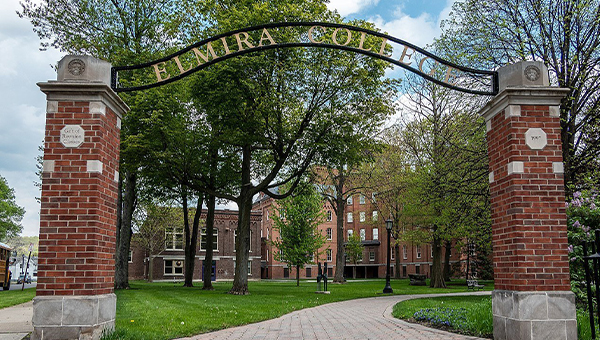
Elmira College Utility Bill Analysis
Our energy advisors conducted a utility bill analysis for Elmira College, uncovering inaccuracies in supplier and utility costs, sales tax exceptions and rate code usage. We discovered an error in the service class, which dictates the rate at which the utility customer is billed. Working with the client's New York utility company, we corrected the service class, resulting in a $22,000 refund for past payments and a $30,000 annual savings on future energy delivery costs.
Frequently Asked Questions
Begin by assessing campus-wide energy use, identifying areas for improvement and prioritizing upgrades to lighting, controls, heating and cooling systems. Engaging the campus community and reviewing energy purchasing strategies are also important first steps.