
Key Benefits of a Demand Response Program
With the volatility of the energy market and fluctuating transmission, distribution, and capacity charges, future energy costs are uncertain. Many organizations are turning to demand response programs to improve their bottom line. Demand response provides financial incentives for reducing or shifting energy use during peak load times, through measures ranging from turning off lights and adjusting air conditioning to real-time changes in production processes. Backup generation also plays a critical role, allowing organizations to maintain operations while reducing grid consumption. This supports demand response commitments and enhances resilience against outages and grid instability. For facilities with critical loads, backup generation ensures reliability while enabling participation in incentive programs.

Financial Benefits of Demand Response Program
Perhaps the biggest benefit to your organization is the financial one. Reducing energy demand as part of demand response earns you revenue incentives to offset energy costs. System operators and utilities will provide financial incentives when you reduce or shift your demand. There are many different types of demand response programs, some voluntary and some requiring a firm commitment when called upon, with different incentive amounts.


Reduced Reliability on the Grid
Reducing demand improves the reliability of the grid. Less demand means less stress on energy transition and distribution systems, which makes them less likely to fail.


Greater Understanding of Energy Usage
Reducing electricity when demand is highest often results in lower wholesale prices. As demand for power decreases, less efficient and often more expensive forms of electricity generation are not needed, which helps keep energy costs in check.
Key Cost Considerations of Demand Response Programs
If your organization cannot reduce electricity when called upon, you could incur penalties. Some providers make customers pay penalties for under-performing during demand response dispatches.
It may not be practical to implement a demand response program if it puts undue stress on your operations. Health care facilities, large data centers, and retail facilities, for example, need to be very sensitive to integrity and safety when evaluating whether demand response is feasible.
Demand response strategies often need to be active for specified lengths of time from minutes to hours. You may want to include only energy reduction measures your operations can tolerate during that time. In some cases, you may be making a decision that will impact your ability to conduct business as usual. It’s critical to understand the economic tradeoffs to make the right decision regarding demand response participation.
Interested in finding out if a demand response program is a good fit for your organization? Usource energy advisors can help you evaluate whether demand response is a good option for reducing your electric costs.
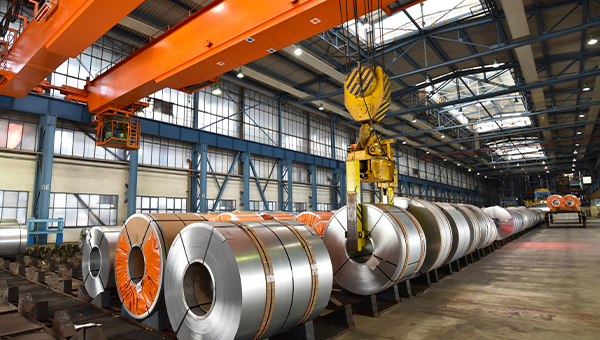
Heartland Fabrication Saves by Utilizing Peak Notifications
By leveraging Usource’s knowledge and experience, Heartland Fabrication was able to use peak notifications to reduce their overall operating costs without making any large-scale changes or altering their existing equipment.